Posts Tagged ‘winter’

Winter Dog Safety Tips: How to Keep Dogs Safe in Cold Weather

Spotting the Signs & Staying Safe

As the temperatures drop in London, it’s natural to worry about your dog feeling the cold. Hypothermia in dogs doesn’t happen often here, but other winter dangers are more common. These include antifreeze poisoning and slipping when walking at night. Here’s a short guide to keeping your dog safe.

1. Hypothermia: What to Watch For

  • Shivering or trembling — often the first sign.
  • Cold ears and paws — these may feel very chilled to the touch.
  • Lethargy or reluctance to move.
  • Serious symptoms like slow breathing or heartbeat, loss of balance, or collapsing require immediate medical attention.

What to do if you suspect hypothermia

  • Move your dog into a warm, dry space.
  • Use blankets or wrapped warm (not hot) water bottles to warm them gradually. Avoid direct high heat and have 5cm of padding between water bottles and skin contact to avoid thermal burns. 
  • Call your local branch for advice or one of our 24-hour hospitals if the branch is closed or out-of-hours. 

2. Antifreeze Poisoning: A Greater Winter Threat

Antifreeze (ethylene glycol) — and some screen-wash or de-icing fluids — can be extremely toxic to dogs. It often tastes sweet and looks like water, making it more likely to be licked from puddles or spilled containers. Even small amounts can be fatal.

Signs of Antifreeze Poisoning

  • Vomiting
  • Wobbly, “drunk” behaviour
  • Excessive drinking and urination (initially)
  • Lethargy
  • Fast breathing
  • Seizures or collapse
  • Later: signs of kidney failure

What to Do If You Suspect Poisoning

  • Move your dog away from the spill or puddle.
  • Call your vet immediately, even before symptoms appear. Describe what happened, what the substance is (if known), where it is, and when exposure occurred.
  • If safe, wash your dog’s fur and paws with mild soap and lukewarm water, then dry thoroughly.
  • Don’t try home remedies (e.g., no self-induced vomiting or giving medication) — early veterinary care is critical.

Prevention Tips

  • Store antifreeze, de-icer and screen-wash securely in sealed, clearly labelled containers.
  • Clean up any spillages promptly.
  • Avoid walking near parked vehicles, garages or drains, where leaks are more likely.

3. Walking After Dark or in Cold Weather: Keeping Safe on Winter Dog Walks

  • Visibility matters: Use reflective gear for both you and your dog — collars, leads, coats — and consider clip-on LED lights.
  • Consider winter coats for your dog and never leave them in the car for long periods during winter
  • Choose safe routes: Stick to well-lit, quieter paths and avoid busy roads, especially in low-visibility conditions.
  • Shorten walks when the weather is really harsh, or if your dog is very young, old or lightly coated.
  • Check and clean paws after walks: Salt, grit or chemicals used for de-icing can irritate or be toxic if licked. Wipe or wash paws if needed.
  • Stay on lead near roads or areas where chemical spill risk is higher.

In conclusion…

Hypothermia might not be the biggest winter danger for dogs in London. But antifreeze poisoning and risks from walking in the dark are serious. The good news is that these issues can mostly be avoided. Stay alert, take some common-sense precautions, and you’ll help keep your dog warm, safe, and happy all winter long.

Sources & Further Reading:
Dogs Trust – Cold Weather Advice: dogstrust.org.uk
PDSA – Antifreeze Poisoning in Dogs

Top tips to keep pets safe this winter

If it’s cold for you, it’s cold for your pet – that’s the key message from the British Veterinary Association (BVA)* as it urges pet owners to take extra precautions to ensure dogs, cats and other small pets are kept safe from hidden and potentially fatal hazards as snow flurries and icy conditions are forecast in many parts of the country.


As with humans, pets can fall ill upon exposure to extremely cold temperatures for extended periods. To avoid this, vets advise that dogs are walked for shorter periods of time than usual, but more frequently if required, and to consider putting a coat on old dogs or those with thin fur to keep them warm. Keep older cats inside during an extremely cold spell and ensure that even healthy young cats have easy access to shelter and warmth.

Dogs

When walking your dog in ice and snow, do not let it off the lead and avoid walking in areas where ponds or lakes may have frozen over – animals often don’t understand the difference between solid ground and ice and can fall through. In this situation, vets urge owners to call the emergency services for professional help rather than going in after their pet. Although distressing, it is never worth risking your own life as well as your dog’s. It’s also important to wipe your dog’s paws and belly on returning home from a snowy walk to remove any ice or salt, and to regularly check for cracks in paw-pads or for redness between the toes.

Cats

Cats are especially at risk of poisoning from antifreeze, which can be fatal for them even in small amounts, especially if veterinary treatment is not sought immediately after ingestion. Store and use antifreeze products carefully, clean any spillages thoroughly, and contact your vet immediately if your cat develops symptoms of antifreeze poisoning, such as vomiting, depression, lack of coordination, seizures and difficulty breathing.

Small Pets

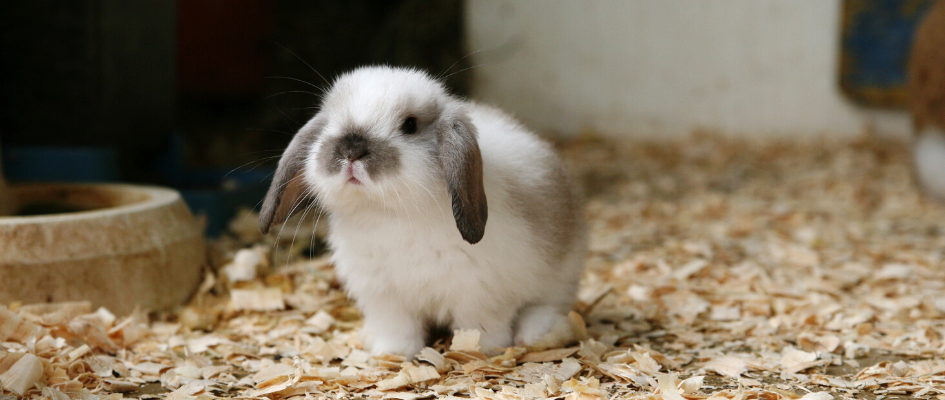
Small pets such as rabbits and guinea pigs that usually live outdoors are vulnerable to the cold and damp despite their furry coats. Owners with outdoor hutches and runs should make sure that their pets’ living space is well-protected from snow, frost and winter rain and kept dry. Give rabbits and guinea pigs extra bedding to keep warm and check their water bottle or bowl regularly, as these can freeze when the temperature drops.

Here are some other top tips to keep pets safe this winter:

  • Provide a warm, draught-free shelter: Make sure your pet’s bed is in a draught-free, warm spot off the floor in the house. For outdoor pets, the hutch or run should be in a sheltered position, away from wind, rain and snow at least 10 cm off the ground.
  • Take precautions during and after walks: Dogs need to be exercised; however, during the colder months, try to walk your dog for shorter periods. Wipe your dog’s paws and belly on returning home from a snowy walk to remove any ice or salt, and to regularly check for cracks in paw-pads or for redness between the toes.
  • Avoid antifreeze poisoning: Wiping your pets’ paws can prevent them from ingesting toxins that they may have stood in whilst outside. Antifreeze in particular is highly toxic for cats even in small amounts, with almost one in six vets (17%) reporting treating cats for antifreeze poisoning over the 2018 winter season. Apart from use in car radiators, some cases that vets saw were thought to be from ingesting diluted antifreeze used in ornamental water features to protect the pumps.
  • Temperature control for small pets: Keep the temperature of rabbit and guinea pig homes between 10?C and 20?C for rabbits (the lower temperature assumes rabbits are healthy and kept with other rabbits, with lots of bedding for warmth) and 5?C to 20?C for guinea pigs, avoiding too many fluctuations in temperature.
  • Provide extra bedding for rabbits and guinea pigs: Make sure your rabbits and guinea pigs have extra bedding to keep warm during colder weather – line hutches with plenty of newspaper, provide lots of hay and cover with an old duvet/blanket/tarpaulin. If the weather becomes very severe, consider moving outdoor pets inside to a well-ventilated space with light and room to exercise – but never place them inside a garage in use, as vehicle exhaust fumes are harmful to rabbits and guinea pigs.

If you would like some more advice on how to keep your pet safe this winter, contact your local Goddard vet.

*The BVA is the largest membership community for the veterinary profession in the UK. They represent the views of over 18,000 vets and vet students on animal health and welfare, and veterinary policy issues to government, parliamentarians and key influencers in the UK and EU.