Archive for the ‘Dogs’ Category

What is a hip and elbow score in dogs?

As a result of domestication and inbreeding, many dogs sadly suffer from defective joints. The most common conditions are hip dysplasia and elbow dysplasia. 

These are developmental conditions, where the hip and/or elbow joints do not form normally, resulting in early onset arthritis and joint pain. The conditions are also genetic, meaning that they can be passed down from a sire and a dam to their offspring – but many less severely affected dogs show no symptoms until later in life, potentially after they have had many puppies.

To help breed out these problems, the Kennel Club and the British Veterinary Association set up the Hip and Elbow Scoring Schemes, and breeders are strongly advised only to breed from dogs with good scores.

So, what is hip dysplasia?

The hip joint has evolved to be a perfect ball and socket joint, allowing the femur (the upper bone of the leg) to rotate easily in the socket provided by the pelvis (hip bones), without popping out of joint. Nowadays, however, this “perfect joint” is only commonly seen in wolves and racing greyhounds – where the ability to run and keep on running is essential!

In hip dysplasia, the “socket” is too shallow for the “ball”, usually with abnormally sloping sides and a very small rim. This results in abnormal movement of the ball, leading to pain, arthritis and sometimes even dislocation of the joint. Unfortunately, except in the most severe cases, dogs can appear absolutely fine until early middle age, when progressive arthritis becomes obvious.

So how does the Hip Scoring Scheme work?

The BVA/KC Hip Scoring Scheme requires a very specific and carefully positioned X-ray of the hips under a general anaesthetic (so the dog doesn’t wriggle!). This image is then sent off to a panel of experts who will grade each of the hips on nine different criteria. These include the angle the hip makes (the Norberg Angle), how well the ball sits within the socket (“subluxation”), the shape of the socket, and the shapes of the head and neck of the femur. For each of these points, each hip is scored from 0 to 6, with 0 being perfect, and 6 being such severe damage that the joint is non-functional. At the end, they add up all the scores and send them in as a Left and a Right Hip score for the dog.

How is that useful?

The score for each hip gives an indication of how severe the dysplasia is (so, for example, a hip scoring 0-3 is usually considered normal and healthy). The specific dog can then be compared with their breed average, and only dogs with a Hip Score of less than the breed average should be bred from, to improve the breed overall and minimise the risk of Hip Dysplasia.

In the first ten years of the scheme, the average hip score of UK Labradors went down from 16.5 (1996) to 12.8 (2007)!

OK, that’s hips, what about elbow dysplasia?

Elbow dysplasia is a much more complex condition, comprising a number of different problems – but once again, it is a genetic developmental condition that seems to be becoming more common, possibly as a result of inbreeding. The most common primary disorders include osteochondrosis (OCD), fragmentation of the coronoid process (a bony spur which breaks up when loaded, FCP) and ununited anconeal process (another bony spur that fails to fuse properly to the rest of the ulnar or elbow bone, UAP).

These primary lesions appear relatively early in life – usually well before the puppy is fully grown – resulting in early onset arthritis and lameness. However, like in Hip Dysplasia, some dogs do not show clinical symptoms until much later in life.

And how are those scored?

Again, a series of carefully positioned X-rays are needed (at least two different views, and sometimes three, to highlight different parts of the joint). Each elbow is then scored 0 (normal) to 3 (significant primary lesion and/or very severe arthritis). Once again, the experts read the X-rays and send back a score for each elbow.

So, again, you only breed from dogs with better than average elbows, right?

Actually, to control Elbow Dysplasia you must be much stricter – it is recommended only to breed from dogs with a grade of 0 for both elbows.

Can anything be done to treat dysplasia once it develops?

Sadly, this is a degenerative condition that cannot be cured. However, certain primary lesions can be managed (such as using bone screws to reattach ununited bones, and removing bone chips from inside joints). The mainstay of treatment is medical, with reduction in body weight, exercise control, joint supplementation and pain relief being the main treatment options.

In severe cases, hip or elbow replacement surgery is possible and is very effective – but also very expensive!

If you’re thinking about breeding from a dog or a bitch, make sure you talk to one of our vets about Hip and Elbow scoring first!
How can veterinary nurses help with preventative health?

Veterinary nurses play a large role in helping and advising pet owners with the care and well-being of their animals. We are proud of our veterinary nursing team at Goddard Veterinary Group, and the passion they have for the health of your pets. Part of that role includes advising on preventative healthcare – keeping your pets in the best health before problems arise.


Diet

There are so many diets on the market for pets it is really difficult to know where to begin! Our nurses can advise you on the best diets for your pet’s specific breed, age and the recommended feeding amount.

If your pet is overweight and should ideally be fed a smaller amount or given a calorie reduced diet, our nurses will be happy to advise and weigh them. They can further advise on maintaining their weight, when they reach their target.

Preventing obesity in pets can help lengthen their lives and dramatically reduce the risk of heart disease, diabetes and joint pain, among other conditions.

Fleas and worms

Almost every pet will end up with these critters at some point in their lives. Preventing them is much better than having your pet playing host to them. If you suspect your pet has fleas for example, our nurses can take a look at their coats and search for tell-tale signs.

Worms, of course, are a lot more difficult. However, there are symptoms that can point to a worm problem. Goddard’s veterinary nurses can explain the life-cycle of these parasites, and the best ways to avoid having both your pet and your home infested with them.

When it comes to fleas and worms it really is worth preventing them – the cost of treating a skin condition caused by fleas for example, far outweighs the price of flea treatment!

Vaccinations

Although it is our vets that vaccinate your animals, our nurses can give you advice and guidance on the types of diseases that pets can be vaccinated against. No one wants to have a pet with a potentially life-threatening disease, and vaccination can prevent that from happening.

Nails

It is our senior pets that we find can have a problem with their toenails, simply because they won’t tend to wear them down as easily as younger pets. Senior pets are normally less active, often choosing softer ground to walk on, whereas a puppy that tears about on all types of ground will have a pedicure naturally! This is why preventing nails from overgrowing and making your pet uncomfortable is important. Our nurses can check your pet’s toenails and trim them if necessary.

It’s not just dogs either, cats too can have this problem especially if they have gone off using the scratch post. Our nurses will also make sure the dew claws are a comfortable length, in extreme cases these can curl around and dig into the pad, even leading to infection.

Microchipping

As of April 2016 all dogs over age of eight weeks in the UK, are required by law to have a microchip.  These tiny devices, about the size of a grain of rice, can help you and your pet to be reunited if they happen to get lost. A microchip is also a requirement for a pet passport.

No responsible owner would want to lose their pet and our nurses can help advise about microchipping, preventing this from happening. At present there is no law about cats being microchipped, but we strongly advise this is well – in fact almost any animal species could be microchipped!

One thing you may hear our nurses and vets reiterate, is keeping your contact details up to date for the microchip, especially if you move home!

Teeth

Our nurses can give all sorts of advice about preventative health when it comes to your pet’s teeth. From brushing techniques to dental products, they can help advise on keeping your pet’s teeth pearly white. Dental health is very important as poor teeth can affect other parts of the body, including major organs, through infection and toxins in the bloodstream.

Pets even at the age of 4-5 years can start to suffer with dental disease, so it’s very important to get the advice as early as possible on helping to keep their teeth sparkling!

With advice from our team of nurses (and vets) on preventative health, your pets can really benefit. Be sure to ask us if any health aspect of your pet worries you — we’ll be happy to help.


Don’t forget Goddard Veterinary Group’s healthcare plan, ProActive Pets. The scheme provides discounts on your pet’s preventative healthcare, allowing you to spread the cost throughout the year.

Can your veterinary nurses really help with my pet’s weight?

One of the many tasks that Goddard veterinary nurses can help you with is advice and guidance on your pet’s weight. Of course, humans can adjust their diets and eat healthily (or try to) but our four-legged friends rely on us to help keep them trim and a good weight. 

The problems with portly pets.

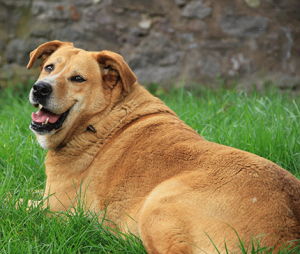
The news, it seems, is full of the problems with overweight humans and the health risks obesity carries. The same applies to our pets, having an overweight pet seriously increases the risk factor in a number of health conditions, including:

?     Arthritis and joint problems from carrying excess weight

?     Heart disease from the heart muscle having to work harder

?     Liver disease from Fatty Liver Syndrome

?     Cystitis

?     Diabetes

Also noticeable may be the pet’s fur, seemingly unkempt, even matted – this is because overweight pets have trouble reaching the parts they used to when grooming themselves. All this amounts to a very unhappy pet that can have a shortened lifespan.

Is there an ideal weight for my pet?

Having an ideal weight for your pet is not a simple as choosing a figure and sticking into that. Every pet is different! As an example, there are guidelines to say a cat should weigh around 4 to 6 kilograms or a Border collie no more than 20 kilograms. These are just guidelines as even pets of the same breed can be different, it is not so much an ideal weight as more a healthy weight! Factors including the sex of the animal also need taking into account – something our nurses will do during an initial weight check.

How do your nurses check a pet is a healthy weight?

Our nurses (and vets) use a system called a body condition score, This is because there is one healthy shape associated with many species.

During your pet’s weight check, our nurses will demonstrate how to check your pet’s body condition and the shape to look for. It is very simple and just means running your hands over their chest and back. Pets that have an ideal body condition will be able to have their rib cage felt easily with the tips of the fingers. That area should just have a slight fat layer covering, with the outline of one or two ribs possibly showing. Our nurses will also explain the shape of your pet from above and the side, and what you should be looking for.

How do I know my pets on the right diet?

That is another article in itself! There are hundreds of diets on the market for pets, including breed specific formulas. Ensuring that your pet gets the correct nutrition of carbohydrate, protein, fats, vitamins and minerals can be really difficult. If your pet is a rabbit, the correct amount of quality grass and hay also needs to be added to the equation.

The veterinary nursing teams at Goddard vets, are more than happy to assess your pet’s body score and talk to you about their dietary needs.

It is not a cliche about any species that has too many calories and not enough exercise – they will become fat! Pets can also become quite fussy eaters. How many different diets have you tried to feed your pets? Cats that totally ignore the food that they ate happily a few days before, or rabbits fed a muesli type mix that choose the tastiest and normally most unhealthiest bits to eat first. Our advice extends to them all.

And talking of exercise…

Pets can burn off those calories with a good amount of exercise. With dogs this is normally easy as they are usually happy to go for a walk or run, but with cats or bunnies it’s more difficult.

Some owners are brave and will put their cat or rabbit on a lead – but they are very much the minority, that means the best way for them to exercise is through play.

How many toys are there for cats and rabbits? Look around any pet store and there are shelves full of them. Cats love to chase and pounce using their natural hunting instinct and any ‘toy-prey’ will do – even paper balls. Rabbits like to climb, use tunnels, and even have their own toys. It’s up to owners to encourage them – and our nurses will support you with ideas and tips.

Keeping your pets at a healthy weight includes everything above and our nurses and vets are happy to support you with advice on weight and managing your pet when it comes to nutrition. Call your local surgery for more information and let’s help keep Britain’s pets healthy!


Why older pets can benefit from our veterinary nurse team

Compared to human years, animals at around the age of 8 are generally classed as senior pets. As they reach more mature years, it is important to recognise changes that may take place. Regular checks are important and our Goddard Veterinary Nurses can help and advise you on the types of things you may see with your pets as they get older. 

So what type of things can you advise on?

Mobility

Just as in humans, when animals get older joint problems such as arthritis can develop, especially in cats and dogs. Have you noticed your pet being reluctant to move after a period of rest? Does your older cat seem uninterested in jumping up onto higher surfaces? These are things that are worth noting and mentioning during a senior pet health check.

With joint problems, movement can become harder for your pets and can start to affect their quality of life, by following advice from the nursing and vet team, there are ways to make movement that bit easier including:

  • Limiting exercise to a more appropriate level
  • Use of anti-inflammatory medication
  • Maintaining an ideal weight for your pet
  • Use of joint supplements
  • Use of hydrotherapy centres

Diet and appetite

Our nurses can give you advice on nutrition and dietary requirements for your pets, regardless of their age. Older pets can have changes to their needs, for example you wouldn’t want to feed an 8-year-old dog puppy food.

Different foods contain varying nutritional values and calorific content and our nursing team can help you decide the best for your pet. For example, older pets are generally less active, so would possibly require calorie reduced diets, thus helping to control their weight. Some breeds also have foods specifically developed by pet food manufacturers and tailored to your pets needs – we can advise on these as well.

During the senior pet health check (or at any time) if you have noticed your pet is going off their food or treats, please let us know. There are several reasons this might be happening and should be investigated by our vets. A simple blood test can help determine the problem. Alternatively if your pet has massive appetite, this can also be a sign of diabetes or thyroid problems as well as others, so again please let us know!

Nails

Older pets tend to not wear their toenails down so quickly because they might exercise less. An active younger dog may run around lots on hard ground, naturally wearing down their toenails, whereas older dogs may be walked on softer ground for shorter distances.

Older cats may not use scratch posts as much (or the furniture!) to keep their claws short. Dew claws can cause a particular problem as they can curl around and dig into pads, causing soreness and even infection.

Our nurses can check nails and claws to make sure they are not getting too long, trimming them where necessary to keep your pets comfortable.

Coat

Coat changes can happen in senior pets and it’s not always just part of them getting older, Sometimes there is a reason behind it. For example matted fur can mean your pets are unable to groom themselves and this can be for reasons such as a sore mouth (which could mean dental treatment), or they simply cannot reach the area to groom, and this can be due to joint pain.

Our nurses are happy to look at any coat changes you are concerned about, referring back to the vets if necessary. Also the team can advise on a number of supplements, as well as shampoos to help improve the coat, especially if greasy or flaky.

These changes can be subtle or quite visible, so it is definitely worth speaking with our nursing team who can liaise with the vets, should your pet need further treatment.