
Archive for the ‘Cats’ Category

What First Aid can I do for my cat? Part 2

In the first part of this blog, we talked about assessing the situation – making sure you aren’t at risk, and assessing the cat to see what you need to do then and there before rushing them in to see us. In this part, we’ll be looking at what you can do – how to resuscitate a cat, stopping bleeding, and transporting them safely to us. 
[Push], [Push], [Push], [Push], staying alive, staying alive… the art of feline CPCR 

CPCR (CardioPulmonary Cerebral Resuscitation) used to be called CPR, and if you want to use that term, feel free! Whatever you call it, it is essentially providing breathing and a heartbeat for a cat who is unable to do so on their own. Any cat who is so severely injured that they require CPCR is unlikely to survive – the TV programmes showing people miraculously reviving after a chest compressions are, sadly, very misleading. However, there are cases every year where rapid CPCR can genuinely save a cat’s life, so it’s always worth a try!

  • Breaths – for a cat who is not breathing on their own, and clearing their airway hasn’t solved the problem. You cannot do mouth-to-mouth with a cat, but you can do mouth-to-nose. Do be careful, however – if the cat wakes up suddenly (or is less unconscious than they appear) they may bite you! In addition, any cat with a nasal discharge or blood in their mouth may conceivably be carrying a disease that you could catch – it is unlikely, but not impossible. If you know the cat and are confident that they are healthy (except for whatever has just happened to them), then you can carry out “rescue breaths” mouth-to-nose, otherwise, use a “spacer” (like the styrofoam cup described below):
    • Form a seal over their nose – for the reasons given above, it’s probably best to use a styrofoam cup with the end knocked out rather than wrapping your lips around their nose, but that is an alternative.
    • Extend their head and neck so the neck is a straight as possible (avoid if they have obvious injuries to their head or neck).
    • Blow gently into their nose until you see the chest rise; then allow the air to flow out again. Ideally, you want to be giving roughly 20 breaths per minute.
  • Compressions – for a cat who has no heartbeat. Note, however, that a cat with severe bleeding may have such a weak heartbeat that you can’t feel it – in this case, stop the bleeding first!
    • Lie the cat on their right side (so their right legs are underneath) – if they seem to have suffered a spinal or head injury it is best to avoid moving them, and chest compressions can be done with them on their left side, but it isn’t as effective.
    • Place your hand around their chest, just behind the elbow, and squeeze the chest so it is compressed by about a third.
    • Repeat approximately 100 times a minute (yes, the song “staying alive” does work for cats!).
    • As you’re probably having to breathe for them as well, give two rescue breaths every 3-5 chest compressions.
  • Know when to stop – if the cat hasn’t made any response in 3 minutes, it’s time to stop. If their heart and breathing haven’t started on their own in this time, they aren’t coming back.

Stopping the Bleeding

If a major artery is cut, a cat can bleed to death in thirty seconds or so. However, most injuries affect smaller vessels and, give half a chance, the blood will clot and the bleeding will either stop or at least slow down enough to give you a chance to get the cat to us.

The key to stopping bleeding is pressure – but once again, make sure you aren’t injured by a miserable cat when you start pressing on a sore spot! It can help to have an assistant to hold the cat still while you try to stop the bleeding, but if not, you can use one hand to restrain them and one to work on them.

Ideally, try and apply a fairly tight pressure bandage – however, this may be difficult one-handed, and it’s important not to cut off circulation to the leg (see tourniquets, below).

If you can’t, or the wound is somewhere you can’t bandage (e.g. around the neck), then apply digital pressure with your fingers through a sterile dressing (if you have one!) or a clean cloth like a handkerchief.

If all else fails, it is possible to apply a tourniquet to a limb – a really tight bandage that will stop all blood-flow to the limb. A tourniquet can only stay on for about 15 minutes, though, or else the limb will die and become gangrenous, so do not try it unless you know how or we tell you to.

Bring them to us!

Although first aid is genuinely vital, it doesn’t usually save lives on its own – what it does is buy time to get the cat to us so we can work on them. However, transporting an ill or injured cat is something of an art form… The trouble is there’s no one single way to do it, it depends on what’s wrong with the cat. In general, however, try to follow these rules:

  • Do not transport cats loose, held or on your lap. However badly injured they are, they need to be transported in a box or basket, to stop them trying to escape en route.
  • Don’t move or bend cats with possible spinal injuries any more than necessary (e.g. weakness or paralysis or obvious injury to the spine or back). These cats should be gently “scooped” off the road or wherever using a rigid board (actually, a shovel is usually pretty good) and transported in whatever position they’re in.
  • If there is an open wound, an “Elizabethan” collar or “cone” is really useful to prevent them from making it worse.

In Part 3 we’ll talk about the management of specific types of injury or illness. If your cat is suddenly ill or injured, call us for advice!
What First Aid can I do for my cat? Part 1

It’s a nightmare scenario, and one that many cat owners don’t like to think about – you find your cat, bleeding, or injured, or otherwise in distress. What do you do? 

Most people who find themselves in this situation panic, and run around for a bit, and then rush their cat down to the vets. However, if you think about it in advance, and plan what you need to do, you can dramatically improve the chances of a good outcome (which can be defined as a happy pet going home with you at the end!). In addition, there are many situations where appropriate first aid at the time can genuinely save lives.

This is the first in a series of three blogs where we’re going to look at first aid in cats. In Part 1, we’ll look at assessing the situation, and how you can respond appropriately. In Part 2 we’ll talk about what you can right away to maximise their chances of survival, and then in Part 3, we’ll look at some of the more common diseases and conditions that you’ll need to know how to deal with.

First of all, assess the situation!
The primary and vital rule of first aid is do not put yourself in danger. If you become a casualty, you aren’t helping your pet (and you are potentially putting others in danger as they try to rescue you). Of course, what constitutes danger will depend on the situation, but the most common ways people put themselves at risk when trying to help cats include:

  • Traffic – running out into traffic because a cat’s been hit isn’t helpful to anyone, as there’s a good chance you’ll be injured! It is better to stop or block the traffic or call the police to do so, before moving into a busy road.
  • Water – cats can, in fact, swim really quite well (although most prefer not to!). If your cat is in difficulty in deep water, don’t jump in yourself, but instead try to fish them out with a net, or a branch, or a floating object that they can cling on to.
  • Fire – do not run into a burning building to rescue your cat. Instead, tell the Fire Brigade that the cat is in there, and allow them to make the rescue. Many fire appliances now carry cat-sized oxygen masks to allow the firefighters to help as well.
  • Electricity – cats do periodically become entangled in electrical wires. If inside the house, if possible make sure that the current is off (for example, by flipping the trip switch or pulling the fuse). If you can’t get to the fuses or the power switch (or either look like they may be unsafe), use a dry, non-conducting object (such as a wooden broomstick – nothing metal!) to untangle them and push the electrical cables away from them. If it is outdoors and is a mains cable (e.g. overhead wires) do NOT approach – call the police and the electrical company immediately.
  • The cats themselves – frightened and painful cats often bite and scratch – it isn’t that they want to hurt you, but they can’t help it when they’re scared or hurting. So make sure you’re not injured while trying to help!

Once you have managed to safely reach the injured puss, your next task is to assess their situation. Are they breathing? Is there severe bleeding? What’s going on? At this point, it is often helpful to call us – one of our vets or nurses will be able to walk you through what you need to do over the phone and can prepare to meet you at the surgery.

The first part of your assessment is the primary survey – this is intended to check whether the cat is at imminent risk of death.

  1. Are they responsive? Are they aware of their surroundings, and (at least semi-) conscious? If yes, move to point 3.
  2. If not, then (just like human first-aiders), we use the “ABC” model to try and work out why:
    1. Airway – can the cat move air? If in doubt, try to extend the head and neck and gently pull the tongue out of their mouth. If there’s anything in the mouth, try and hoick it out (without getting bitten).
    2. Breathing – is the cat breathing? The best way to check this is to hold a clump of fluff in front of their nose and see if it moves. If not, you may need to start CPCR (see Part 2).
    3. Circulation – is the cat’s heart beating? You can check this by feeling behind the elbow on their left-hand side. If not, you will need to carry out CPCR.
  3. Are there any other life-threatening injuries? We’re not generally talking about broken bones here (they’re painful but unlikely to be fatal as long as you’re careful). However, severe bleeding, head trauma, and damage to the chest are all potentially lethal. Of these, the only one you can do anything about in the first aid situation is bleeding – you’ll need to try and stop it, or at least slow it down, and then rush them to us for definitive treatment.

In Part 2 we’ll look at what you can do for your cat in an emergency situation. If your cat is suddenly ill or injured, call us for advice!
Can cats get heart disease?

Many people now are well aware that dogs can get heart disease – heart failure in breeds such as Cavalier King Charles Spaniels, Dobermans or Wolfhounds is fairly well recognised. However, most people aren’t aware that cats can suffer too – because, sadly, yes, cats can and do get heart problems.

What can cause it?

Like any animal, cats can suffer congenital heart problems, where the heart doesn’t form properly in the developing kitten. This is quite rare but is seen occasionally.

The most common heart disease in cats is called hypertrophic cardiomyopathy or HCM; this is a condition where the heart muscle becomes too thick and strong. Now that may sound great, having a nice strong heart – however, in HCM the heart is so thick that the space for the blood becomes narrowed, meaning the pumping action is actually weakened.

In some cats, HCM is caused by a genetic mutation (there is a defect in the gene controlling the muscle thickness, causing double or triple thickness muscle walls to gradually develop over time). This is most common in large breeds such as Maine Coons. In most cats, however, HCM occurs secondary to hyperthyroidism (an overactive thyroid gland). This hormonal condition causes the cat’s heart to overgrow, leading to HCM.

Other causes of heart disease (such as leaking valves, or narrowed arteries) can occur but are fairly uncommon.

What are the symptoms of heart disease in cats?

Unfortunately, most cats show very few symptoms until the condition is very advanced. Typical early signs include intermittent shortness of breath and reduced ability to exercise – but in most cats, these symptoms aren’t easy to recognise, as they are pretty subtle.

As the disease progresses, the cat may go into congestive heart failure, where the heart’s ability to pump is significantly impaired, leading to fluid accumulation. The symptoms include shortness of breath, coughing, and swelling of the abdomen and (occasionally) paws or face. However, most cats manage to hide these signs until they suffer a decompensation crisis where they can no longer cope with the fluid building up in their lungs. This usually presents with sudden onset difficulty in breathing – typically, gasping for air with an open mouth, looking terrified and severely stressed. Cats in this condition need to see one of our vets right away, at any hour if the day or night, as they would soon die without treatment.

Another common sign of advanced heart disease is the development of blood clots – typically a saddle thrombus, where a clot blocks off blood flow to the back legs. This is due to abnormal blood flow in the heart, triggering excessive clotting of the blood, and leads to paralysis of the affected leg or legs, severe pain, often with cold legs, and no detectable pulses. If not treated this is fatal, and sadly, even with treatment, many cats will not recover.

How is heart disease diagnosed?

Our vets can use a wide range of different techniques to diagnose heart disease in cats. A simple physical examination, especially auscultation (listening to the chest with a stethoscope) can often be revealing, but nice loud heart murmurs are rarer than in dogs. X-rays are very useful to assess the state of the heart and lungs but aren’t always suitable for very sick cats.

The most useful single technique is echocardiography, where an ultrasound machine is used to examine the size and shape of the heart and its chambers. Our machines can also be used to detect abnormal blood flow through the heart, and even to quickly assess the lungs of a critically ill cat for fluid build-up.

So what can be done about it?

Fortunately, there are a range of medical treatments available now. Diuretics (“water tablets”) are very important in reducing fluid accumulation; and there are a range of drugs for managing congestive heart failure. Anticoagulants (“blood thinners”) are also invaluable in treating and preventing blood clots from forming.

Unfortunately, most heart diseases cannot be cured yet, but we can usually improve your cat’s quality of life and lifespan if the condition is detected early.

If you think your cat may have a heart or breathing problem, make an appointment to see one of our vets as soon as possible.

How can veterinary nurses help with preventative health?

Veterinary nurses play a large role in helping and advising pet owners with the care and well-being of their animals. We are proud of our veterinary nursing team at Goddard Veterinary Group, and the passion they have for the health of your pets. Part of that role includes advising on preventative healthcare – keeping your pets in the best health before problems arise.


Diet

There are so many diets on the market for pets it is really difficult to know where to begin! Our nurses can advise you on the best diets for your pet’s specific breed, age and the recommended feeding amount.

If your pet is overweight and should ideally be fed a smaller amount or given a calorie reduced diet, our nurses will be happy to advise and weigh them. They can further advise on maintaining their weight, when they reach their target.

Preventing obesity in pets can help lengthen their lives and dramatically reduce the risk of heart disease, diabetes and joint pain, among other conditions.

Fleas and worms

Almost every pet will end up with these critters at some point in their lives. Preventing them is much better than having your pet playing host to them. If you suspect your pet has fleas for example, our nurses can take a look at their coats and search for tell-tale signs.

Worms, of course, are a lot more difficult. However, there are symptoms that can point to a worm problem. Goddard’s veterinary nurses can explain the life-cycle of these parasites, and the best ways to avoid having both your pet and your home infested with them.

When it comes to fleas and worms it really is worth preventing them – the cost of treating a skin condition caused by fleas for example, far outweighs the price of flea treatment!

Vaccinations

Although it is our vets that vaccinate your animals, our nurses can give you advice and guidance on the types of diseases that pets can be vaccinated against. No one wants to have a pet with a potentially life-threatening disease, and vaccination can prevent that from happening.

Nails

It is our senior pets that we find can have a problem with their toenails, simply because they won’t tend to wear them down as easily as younger pets. Senior pets are normally less active, often choosing softer ground to walk on, whereas a puppy that tears about on all types of ground will have a pedicure naturally! This is why preventing nails from overgrowing and making your pet uncomfortable is important. Our nurses can check your pet’s toenails and trim them if necessary.

It’s not just dogs either, cats too can have this problem especially if they have gone off using the scratch post. Our nurses will also make sure the dew claws are a comfortable length, in extreme cases these can curl around and dig into the pad, even leading to infection.

Microchipping

As of April 2016 all dogs over age of eight weeks in the UK, are required by law to have a microchip.  These tiny devices, about the size of a grain of rice, can help you and your pet to be reunited if they happen to get lost. A microchip is also a requirement for a pet passport.

No responsible owner would want to lose their pet and our nurses can help advise about microchipping, preventing this from happening. At present there is no law about cats being microchipped, but we strongly advise this is well – in fact almost any animal species could be microchipped!

One thing you may hear our nurses and vets reiterate, is keeping your contact details up to date for the microchip, especially if you move home!

Teeth

Our nurses can give all sorts of advice about preventative health when it comes to your pet’s teeth. From brushing techniques to dental products, they can help advise on keeping your pet’s teeth pearly white. Dental health is very important as poor teeth can affect other parts of the body, including major organs, through infection and toxins in the bloodstream.

Pets even at the age of 4-5 years can start to suffer with dental disease, so it’s very important to get the advice as early as possible on helping to keep their teeth sparkling!

With advice from our team of nurses (and vets) on preventative health, your pets can really benefit. Be sure to ask us if any health aspect of your pet worries you — we’ll be happy to help.


Don’t forget Goddard Veterinary Group’s healthcare plan, ProActive Pets. The scheme provides discounts on your pet’s preventative healthcare, allowing you to spread the cost throughout the year.

Can your veterinary nurses really help with my pet’s weight?

One of the many tasks that Goddard veterinary nurses can help you with is advice and guidance on your pet’s weight. Of course, humans can adjust their diets and eat healthily (or try to) but our four-legged friends rely on us to help keep them trim and a good weight. 

The problems with portly pets.

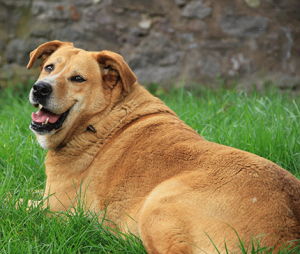
The news, it seems, is full of the problems with overweight humans and the health risks obesity carries. The same applies to our pets, having an overweight pet seriously increases the risk factor in a number of health conditions, including:

?     Arthritis and joint problems from carrying excess weight

?     Heart disease from the heart muscle having to work harder

?     Liver disease from Fatty Liver Syndrome

?     Cystitis

?     Diabetes

Also noticeable may be the pet’s fur, seemingly unkempt, even matted – this is because overweight pets have trouble reaching the parts they used to when grooming themselves. All this amounts to a very unhappy pet that can have a shortened lifespan.

Is there an ideal weight for my pet?

Having an ideal weight for your pet is not a simple as choosing a figure and sticking into that. Every pet is different! As an example, there are guidelines to say a cat should weigh around 4 to 6 kilograms or a Border collie no more than 20 kilograms. These are just guidelines as even pets of the same breed can be different, it is not so much an ideal weight as more a healthy weight! Factors including the sex of the animal also need taking into account – something our nurses will do during an initial weight check.

How do your nurses check a pet is a healthy weight?

Our nurses (and vets) use a system called a body condition score, This is because there is one healthy shape associated with many species.

During your pet’s weight check, our nurses will demonstrate how to check your pet’s body condition and the shape to look for. It is very simple and just means running your hands over their chest and back. Pets that have an ideal body condition will be able to have their rib cage felt easily with the tips of the fingers. That area should just have a slight fat layer covering, with the outline of one or two ribs possibly showing. Our nurses will also explain the shape of your pet from above and the side, and what you should be looking for.

How do I know my pets on the right diet?

That is another article in itself! There are hundreds of diets on the market for pets, including breed specific formulas. Ensuring that your pet gets the correct nutrition of carbohydrate, protein, fats, vitamins and minerals can be really difficult. If your pet is a rabbit, the correct amount of quality grass and hay also needs to be added to the equation.

The veterinary nursing teams at Goddard vets, are more than happy to assess your pet’s body score and talk to you about their dietary needs.

It is not a cliche about any species that has too many calories and not enough exercise – they will become fat! Pets can also become quite fussy eaters. How many different diets have you tried to feed your pets? Cats that totally ignore the food that they ate happily a few days before, or rabbits fed a muesli type mix that choose the tastiest and normally most unhealthiest bits to eat first. Our advice extends to them all.

And talking of exercise…

Pets can burn off those calories with a good amount of exercise. With dogs this is normally easy as they are usually happy to go for a walk or run, but with cats or bunnies it’s more difficult.

Some owners are brave and will put their cat or rabbit on a lead – but they are very much the minority, that means the best way for them to exercise is through play.

How many toys are there for cats and rabbits? Look around any pet store and there are shelves full of them. Cats love to chase and pounce using their natural hunting instinct and any ‘toy-prey’ will do – even paper balls. Rabbits like to climb, use tunnels, and even have their own toys. It’s up to owners to encourage them – and our nurses will support you with ideas and tips.

Keeping your pets at a healthy weight includes everything above and our nurses and vets are happy to support you with advice on weight and managing your pet when it comes to nutrition. Call your local surgery for more information and let’s help keep Britain’s pets healthy!