
Archive for the ‘Cats’ Category

Ten tips for keeping your pet safe this summer

We know you want to do all you can to keep your pet healthy, happy and safe this summer. There are a few things to think about to keep them from harm — we’ve listed our top ten tips below!

Tip number 1: Barbecues

  • Burns are common in both dogs and cats. Make sure your pet can’t get near the barbeque until it has cooled down.
  • Skewers and chicken bones in leftovers or in the bin are a big problem for dogs if they get to them. They may not even realise they have eaten them with the meat but they can do massive internal damage. To prevent this, make sure that skewers or chicken with bones aren’t left in your dog’s reach, or are put in a container. It’s also wise to take the bin out straight away to stop them from getting to any meat and skewers left in there. We know they’ll sniff them out otherwise, given the chance!

Tip number 2: Heatstroke

  • Hot cars are a common cause of heatstroke in dogs, which can be fatal. Never leave a dog in a car in hot weather, even if it is shady and you only intend to be 5 minutes. It isn’t worth the risk.
  • Shade and water is key at this time of year to prevent heatstroke. All of your pets should have this at all times in hot weather. If you are going out with your dog consider taking an umbrella and a pop-up water bowl so that they can rest in the shade and have a drink wherever you go.

Tip number 3: Hot pavements

Hot pavements can burn dogs’ paws. Ideally only take your dog out for a walk in the morning or evening when it is cooler. Also, you can try and walk on the grass instead. If you are unsure if it is too hot, follow the 7 second rule – you will soon know if it would burn their paws! Place the back of your hand on the pavement for 7 seconds, if it’s too hot for you – it’s too hot for them.

Tip number 4: Summer travels

It’s very important that when you are going away, your pet will be safe — if they’re coming with you or not!

  • If your pet is on regular medication, then make sure that you come to see us before you go away so you don’t run out.
  • If your pet is coming with you on holiday and you are travelling by car, then you need to schedule in lots of breaks (ideally at least once an hour) so that your pet can get out of the car, go to the toilet and just stretch their legs. Always make sure there is plenty of water for them to drink. Be prepared for travel sickness, many dogs and cats get travel sick. If they are beginning to look unwell then pull over at the next services to let them get some air and start to feel a little better. A long journey can be much more stressful than we can imagine, you can use pheromone sprays to reduce stress – get in touch with our team if you’d like more advice.
keep your pet safe this summer body

Tip number 5: Staying in the cattery or kennels

Make sure your pet is fully vaccinated, flea treated and wormed before they go in, you don’t want them to come out sick or infested! If your dog is going to stay with a sitter, or dog walker it’s advised that your dog gets the kennel cough vaccine, which is a quick and painless spray up the nose.

Tip number 6: Going abroad with your pet

If you plan to take your pet abroad then you will need to come in and see us in advance of your trip. Pets must have an Animal Health Certificate to travel and to qualify they will need a rabies vaccination and wormer in advance of the trip. Our vets will also give you advice about travelling and others risks when abroad.

Tip number 7: Flystrike

Rabbit owners, this one’s for you! Flystrike is where flies lay eggs on moist areas (often the back end), which then hatch to become maggots. This is very painful, as the maggots eat their way into the poor rabbit’s flesh. Any rabbit in the summer is at risk of flystrike, especially those with a wet or dirty back end as this attracts the flies. If you notice your rabbit has flystrike, ring us straight away. To prevent this, you need to check your rabbit’s bottom every day and clean it up. This should stop the flies from being attracted to that area and means you can catch it early if there is any flystrike.
keep your pet safe this summer footer

Tip number 8: Fleas

Fleas are very common at this time of year and if you have a pet that goes outdoors then it is inevitable for them to get fleas. You can’t always see fleas on your pet when they have them, so it is always best to treat whether you can see them or not.

  • It is important that you treat your pet regularly (once a month normally but check the product you are using) and ideally with a prescription-strength product bought from us – that way you can be sure it is safe to use and is going to work!
  • If your pet already has fleas your house will also be infested. You will need to wash all bedding at a high temperature, hoover thoroughly including crevices in sofas and treating the house with insecticidal flea spray.

Tip number 9: Ticks

These little bloodsuckers carry some very nasty and potentially fatal diseases such as Lyme disease and, more recently, babesiosis. This is mostly a risk for dogs that go walking through long grass (don’t forget about those pesky grass seeds either!). To prevent diseases from ticks, you can regularly treat for ticks (you can get a combination product with the flea treatment) and check your dog over every time you come back from a walk. We can always give advice on tick removal and there are specific tick removal tools, this allows you to be sure you have removed it all and have not left the mouthparts in.

Tip number 10: Suncream

In the summer months, the UV rays from the sun can be a problem for our pets, just like us. There is a form of skin cancer that can be caused by too many UV rays, especially in our white (or pink nosed) pets. You can buy pet-friendly sun cream at most pet supermarkets and this only really needs to be applied to the nose and ears (especially important in cats).
Cold Weather Cat Safety: Essential Winter Tips

As the cold weather arrives, cats need some extra care — especially if they go outside at times. Winter cat care is important not only because of the cold, but also because hazards like antifreeze and icy surfaces can put pets at risk. From chilly temperatures to toxic chemicals, cats and cold weather don’t always mix well. This guide will help you keep your cat warm, safe, and healthy all season long.

1. Protecting Cats From Cold & Wet Weather

If your cat goes outdoors, make sure they have free access to indoors, especially in harsh weather such as snow, frost, or freezing rain. Outdoor cats in winter are more vulnerable to cold stress, so make sure they can always return to a warm space.

  • Provide a dry and cosy place to shelter if they choose to spend time outside — a waterproof, insulated house or secure warm shelter. Ensure they can easily get back inside.
  • Keep clean, unfrozen water available indoors because outdoor sources may freeze in cold weather.
  • If you have a cat flap, check it often. Make sure it is not frozen or blocked by snow or ice. If it is, your cat could be stuck outside.
  • For indoor cats, or those who spend most of their time inside, offer warm, draught-free sleeping spots — cosy beds, blankets or radiator beds. This is essential for indoor cat winter care, especially for kittens, senior cats or cats with health conditions. Heat pads designed for cats or well-insulated beds can help them stay comfortable.
  • Older or arthritic cats often struggle more with cold weather, which can worsen joint pain. Make sure they have soft, accessible resting areas and that food, water and litter trays are easy to reach.

2. Frostbite, Hypothermia & General Cold Hazards

Winter isn’t just uncomfortable — it can pose real risks. Cold weather cat safety means knowing the signs of hypothermia and frostbite.

What to watch out for:

  • If a cat gets wet from snow, rain or icy conditions, dry them off quickly to avoid hypothermia.
  • Signs of being too cold include shivering, low energy, reluctance to move, cold ears or paws, or sudden lethargy.
  • Frostbite can happen to a cat’s ears, paws, and tail. It often happens if the cat is in cold weather for too long or if it gets wet.

What to do:

  • Bring your cat inside when it is very cold, especially at night. It’s important to keep cats warm in winter to prevent health problems.
  • Give them warm bedding away from draughts; radiator beds or heated cat beds can help.
  • After outdoor time, gently wipe their paws to remove salt, grit or de-icing chemicals, which can irritate skin or be harmful if licked.

3. Antifreeze & Winter Chemicals — A Serious Poison Risk

One of the biggest winter dangers for cats is antifreeze poisoning. Even small amounts can be deadly, and antifreeze poisoning in cats can happen quickly.

Symptoms of cat antifreeze poisoning (30 mins–12 hrs):

  • Vomiting
  • Weakness or wobbliness
  • Excessive drinking and urination early on
  • Later: reduced urination, lethargy, difficulty breathing, seizures, collapse

Why it’s dangerous:

  • Antifreeze, screen-wash, de-icers and some brake or radiator fluids contain ethylene glycol, a highly toxic substance.
  • Cats can get it by drinking from dirty puddles or by licking it off their paws or fur after stepping in a spill.

What to do:

  • Contact your vet immediately. Quick action is essential for any case of cat antifreeze poisoning.
  • If you see chemicals on your cat’s paws or fur and it’s safe, gently wash them off before you travel to the vet.

How to prevent it:

  • Store all antifreeze, de-icer, screen-wash and similar fluids securely, out of reach.
  • Clean up spills right away and dispose of empty containers safely.
  • Consider switching to pet-safe alternatives where possible.
  • Be careful if your cat goes near driveways, garages, or parking lots where de-icing products might collect. This is especially important after frost or when it warms up.

4. Keeping Indoor Cats Happy & Healthy During Winter

If your cat spends most of their time indoors, indoor cat winter care is still important. They need comfort, warmth and stimulation.

  • Provide toys, puzzle feeders, vertical spaces like scratching posts or cat trees, and plenty of places to climb or hide. This keeps them mentally stimulated and physically active.
  • Ensure water bowls and litter trays remain accessible and are not placed in cold or draughty areas.
  • Keep indoor temperatures comfortable (ideally 15–25°C where possible). Cats can struggle if rooms get too cold for long periods.
  • For older cats or those with arthritis, ensure their favorite resting spots and litter boxes are easy to reach. Cold temperatures can worsen arthritic symptoms.

Conclusion

Winter cat care doesn’t have to be complicated. Just a few easy steps can keep your cat warm, safe, and comfy during the cold months.

By providing warm indoor spaces, watching the weather, keeping an eye out for signs of cold stress, and protecting them from hazards like antifreeze poisoning and icy conditions, you’ll help ensure your cat enjoys a safe and cosy winter.

Whether they prefer curling up indoors or exploring the outdoors, a little preparation goes a long way in keeping cats warm and happy all winter long. 

Sources and further reading:

Fireworks and Your Pet

Fireworks season is fast approaching and although we may enjoy it as humans, it may be a little stressful for our furry friends. See below our advice on keeping your pet happy and safe during this time, or have a look at our top 10 tips on keeping your pet safe this firework season. 


ALWAYS

  • Keep dogs and cats inside when fireworks are being let off.
  • Close all windows and doors and block off cat flaps to stop pets escaping and to keep noise to a minimum. Draw the curtains, and if the animals are used to the particular sounds of TV or radio, switch them on.
  • Make sure your pet is microchipped so should they run away you are more likely to be reunited with them.

NEVER

  • Walk your dog while fireworks are going off.
  • Leave or tie your dog up outside while fireworks are being let off.
  • Take your dog to a firework display. Even if your dog does not bark or whimper at fireworks it doesn’t mean they are happy.
  • Shout at your pet if they are frightened as this will only make them more distressed.

DOGS

To further minimise distress, we suggest you install an Adaptil® diffuser in your home. The Adaptil® diffuser works like a plug-in air freshener, continuously releasing an odourless natural pheromone which helps to keep your pet feeling safe and calm. The diffuser contains a natural solution and there is no sedative effect. Xylkene® is an oral tablet which can also be used to help relieve anxiety without the use of potentially sedative drugs. In severe cases we may need to prescribe a sedative. Please discuss this with one of our veterinary surgeons.

CATS

A Feliway® diffuser is the feline equivalent to the Adaptil® diffuser. Feliway® releases feline facial pheromone, mimicking the cat’s own pheromones, helping to create a state of calmness and well-being, allowing reactions to stressful situations to be better controlled. Xylkene® can also be used in cats to help relieve anxiety without the use of potentially sedative drugs.

SMALL ANIMALS

Rabbits and guinea pigs living outside should not be forgotten. They can also become very stressed from loud noises. Bring small animals indoors or into an outhouse to muffle the sound of the fireworks, helping them feel safe and calm.


If you are concerned or would like further advice, please speak to your local Goddard vet soon.

Top 10 tips for pets this firework season

As we move towards Bonfire Night, Diwali and New Year’s Eve, our love for fireworks has created an entire season of celebrations. While it’s exciting to have multiple opportunities to revel in the festivities, we must keep in mind that not everyone shares our enthusiasm. Our beloved pets, for instance, may not enjoy the noise and commotion caused by fireworks. To ensure the safety of your cats, dogs, and other pets during this firework season, we’ve compiled a list of ten helpful tips in this blog.

TIP 1: DESENSITISE YOUR DOGS AND CATS

If your pet is afraid of the loud noises, start desensitisation therapy as early as you can. Try downloading firework sound effects from Dogs Trust and play them very, very quietly. Reward your pet for staying calm, and over weeks or even months, gradually increase the volume so they get used to the sound.

TIP 2: MAKE SURE THEY ARE MICROCHIPPED

Panicking pets tend to run, but they’re not so fussy where they run to! If they DO escape and are microchipped you can be sure you’ll be reunited again.

TIP 3: USE PHEROMONES

There are pheromone products available for cats and dogs such as Feliway and Adaptil. They are very effective at reducing stress and anxiety levels. Start using them at least 2-3 weeks before fireworks season starts if possible.

TIP 4: TRY OUT SOME CALMERS

There are a wide range of herbal and nutritional calmers on the market; some of which we stock and can recommend. Although the evidence for Zylkene isn’t conclusive, we think it really can help settle animals down if given over a prolonged period!

TIP 5: BUILD A NICE NEST

Your pets need to be kept safe and secure, with a suitable nest or den to hide in. This is especially important for dogs and cats, but also applies to rabbits and small furries kept in open cages or hutches. Make sure they can hide themselves away when the displays start!

TIP 6: KEEP YOUR ANIMALS SAFELY INDOORS

It may be a little tricky but make sure your cat and dog are safely inside. Not only will it stop them escaping (and then potentially coming to harm), but it will also muffle any scary sounds and frightening lights.

TIP 7: LIGHTPROOF AND SOUNDPROOF HUTCHES, CAGES AND AVIARIES

If possible, rabbits and other small pets in cages or hutches should also be brought inside — or at least, away from sight and sound of the fireworks. For example, a large hutch can usually be moved into a garage or shed. For cage birds, the aviary isn’t usually movable, but the bright flashes can panic birds into a smother. As a result, we recommend carefully covering the aviary (while leaving lots of air-holes!) to minimise any risk.

TIP 8: KEEP TO A NORMAL ROUTINE

Many pets are very sensitive to changes in routine and timing and can put them on edge. So as much as possible, keep everything the same. You really don’t need any extra stress — and neither do they!

TIP 9: DON’T REWARD FEARFUL BEHAVIOUR

Of course, if your dog is afraid, your cat is scared, or your rabbit is terrified, it’s only natural to try and comfort them. However, you need to be careful. Excessive fuss and treats can reinforce the fearful behaviour — as they learn this is what they need to do to get your attention! As a rule of thumb, make a moderate fuss of them if they come to you, but don’t go to them, or dramatically change the way you react. Remember, pets can pick up on our stress levels as well as vice versa, so it can spiral out of control!

TIP 10: COME AND TALK TO US

If your pet is really, really stressed and you’re worried they’ll hurt themselves — come and talk to us. Not only can we give you personalised and tailored advice, but our vets can, if necessary, prescribe anti-anxiety medications to relieve short-term stress, fear and panic.

Post-operative mental wellbeing for pets

Supporting your pet’s recovery after surgery

The recovery period after surgery can be challenging for both you and your pet. While rest is vital for physical healing, it’s equally important to support your pet’s mental wellbeing. Pets who are used to walks, play, and regular activity can become frustrated or anxious when their exercise is restricted.

This guide offers vet-approved activities to help your dog or cat stay calm, stimulated, and happy during recovery — helping you both through the healing process with confidence.

Why mental wellbeing matters after surgery

During recovery, pets often experience changes in their routine. Reduced exercise, limited space, and extra rest can lead to boredom, stress, or frustration.

  • Mental stimulation can help:
  • Reduce anxiety and restlessness
  • Prevent destructive or unwanted behaviours
  • Strengthen your bond with your pet
  • Provide satisfaction that’s often more tiring than physical exercise

If your pet is finding recovery particularly stressful, please contact your vet. We can advise on additional strategies — including whether short-term medication may be appropriate to help your pet relax and heal comfortably.

Choosing the right treats for recovery

The type of treats you use will depend on your pet’s dietary needs, calorie intake, and preferences. For some dogs, their regular kibble will be enough for enrichment games. Others may need higher-value treats such as:

  • Small pieces of cooked chicken
  • Liver paste (only if your dog is not on a low fat diet)
  • Natural yoghurt
  • Commercial dog treats

If your pet is on a recovery diet, these foods can also be used in enrichment activities — just make sure any extras fit within their daily calorie limit to avoid weight gain. Always check with your vet if you’re unsure.

Vet-approved enrichment ideas for recovery

Feeding and activity toys

Instead of feeding from a bowl, make mealtimes more engaging. When selecting activity toys please make sure they are appropriate for your dog’s size and strength.  Avoid anything which your dog may potentially swallow and cause an obstruction. These toys encourage natural problem-solving and help calm your pet through mental stimulation.

If you dog is recovering from dental or oral surgery, please check with the veterinary team when it is appropriate to start using activity toys or hard chews.

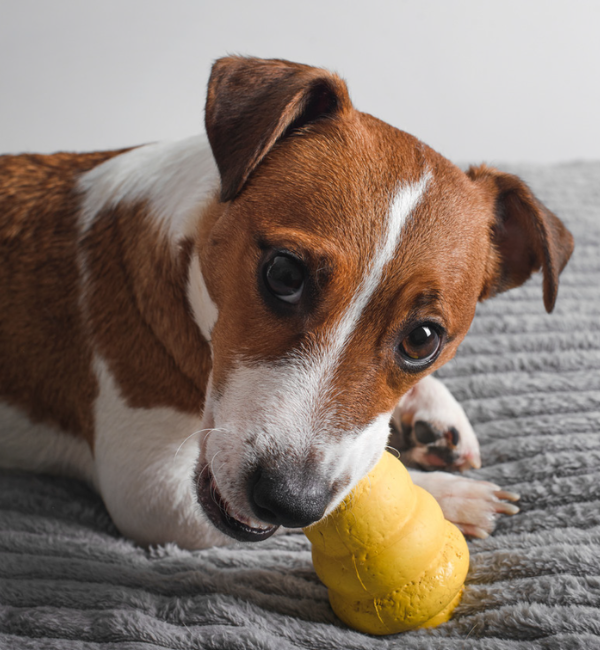
Stuffable feeding toys

  • How to: Fill a toy with your pet’s food or treats.
  • Try with: Kibble, recovery food, chicken, or yoghurt.
  • Top tip: Mix kibble with yoghurt or wet food and freeze to increase difficulty and duration.

Frozen cups

  • How to: Fill a safe plastic cup with kibble or treats, top with water or low-fat yoghurt, and freeze.
  • Why it helps: Licking frozen food is soothing and keeps pets occupied longer.

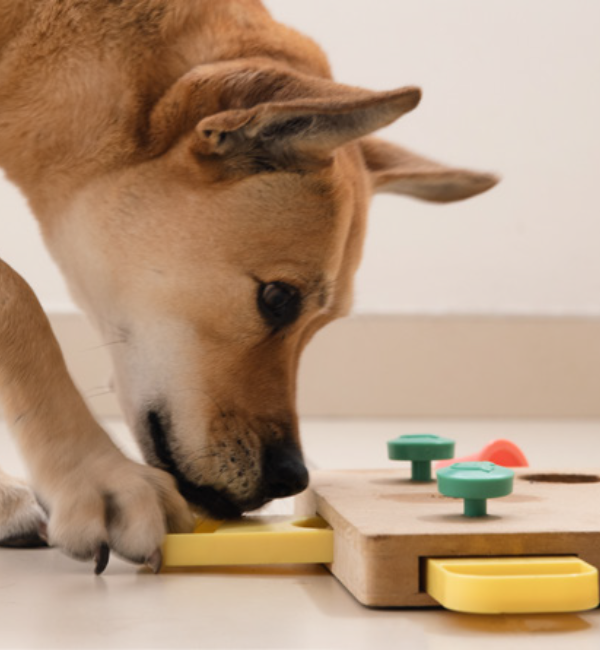
Interactive or treat-dispensing toys

  • How to: Great for older dogs or those with paw injuries. Fill the toy and let your pet roll or nose it to release treats.
  • Try with: Kibble, recovery food, or small treats.

Lick mats

  • How to: Spread wet food, yoghurt, or liver paste over the surface.
  • Top tip: Freeze for extra challenge — licking is naturally calming and rewarding.

Snuffle mats, towels, and cardboard boxes

Encourage your pet to use their nose — a mentally tiring and satisfying skill.

Snuffle mats

  • How to: Hide kibble or treats within the mat for your dog to sniff out.
  • DIY option: Use an old towel or cardboard box filled with fabric strips.

Towels and boxes

  • How to: Roll treats inside a towel or hide them in a box filled with paper or cardboard tubes.
  • Top tip: Increase difficulty by tying the towel loosely or closing the box flaps.

Scatter or “seek and find” games

Let your dog put their nose to work!

  • How to: Scatter kibble or treats on the floor or in the garden.
  • Safety note: Avoid stairs, heights, or toxic plants such as oak leaves.
  • Top tip: Teach the command “find it” for extra mental stimulation.

Puzzle feeders and homemade brain games

Puzzle feeders

  • How to: Fill as per the manufacturer’s instructions.
  • Try with: Kibble, chicken, yoghurt, or wet recovery food.

Muffin tin game

  • How to: Place treats in each cup and cover with tennis balls or other safe obstacles.
  • Top tip: If your dog gets too excited by tennis balls, use quieter alternatives.

Plastic bottle puzzle

  • How to: Remove the lid and seal, fill with kibble or treats, and let your dog work out how to get them out.

Gentle training and new cues to try

The recovery period is a great time to revisit basic training or introduce new mental challenges that don’t require much movement.

Teach scent work

  • Place a scented fabric (e.g., cloves) in a cup. When your dog sniffs it, reward them.
  • Once they understand the game, introduce new scents with different commands.

Teach “watch me” or “look at me”

  • Encourage your dog to make eye contact before giving a treat.
  • Builds focus and strengthens your bond.

Teach “touch”

  • Reward your dog for touching your hand with their nose. This can evolve into useful training cues.

Follow your hand

  • Use a treat in your hand to guide gentle movement and reward them for following calmly.

Supporting your pet’s recovery journey

Mental stimulation during recovery helps your pet stay calm, content, and connected with you. These simple activities make rest days more rewarding and promote a smoother healing process.

If you have any questions about post-operative recovery, mental wellbeing, or which enrichment ideas are safest for your pet, please contact your veterinary team. We’re always happy to help guide you through your pet’s recovery.